Water Damage and Environmental Services
Water Damage Restoration - C&J Environmental
C&J Environmental has managed water damage restoration for property owners, managers, and families for over 31 years. We work across residential and commercial properties — extracting water, drying structures, and returning damaged spaces to pre-loss condition.
Trusted mold remediation in Bristol. Best mold removal in Bristol. Professional cleaning services in Bristol.
The difference between a $3,000 repair and a $30,000 project is often a matter of hours — and most property owners don't realize which one they're facing until the damage has already spread.
Water doesn't wait, and neither can your response. What starts as a burst pipe or a failed sump pump can move behind walls, under flooring, and into ceiling cavities long before visible surface damage appears. C&J Environmental brings the process, the equipment, and 31 years of restoration experience to stop the spread, dry the structure correctly, and build the documentation your insurance carrier will need.
Client Testimonials
Hear from some Greater Philadelphia homeowners we've helped
I have used C & J for several Citrashield projects in the Bucks County area. Always fair, on time and complete the tasks given. Citrashield is proud to have C & J as an approved applicator.
Joe M.
Anthony was amazing from the start! He was incredibly personable, informative and professional. The pricing was fair with no hidden fees. The guys who came out to perform the work were professional and courteous. All in all C&J was so great to work with. Hopefully I never need mold removed again but if I do I would 100% call them!!
UBCTS in Perkasie
I used C and J recently to perform mold remediation at a home that I was selling near Independence Road. They were very professional, can on time and completed the work on budget. They did nice work and responded quickly so that the sale of the home could go through. Excellent service.
Mark J.
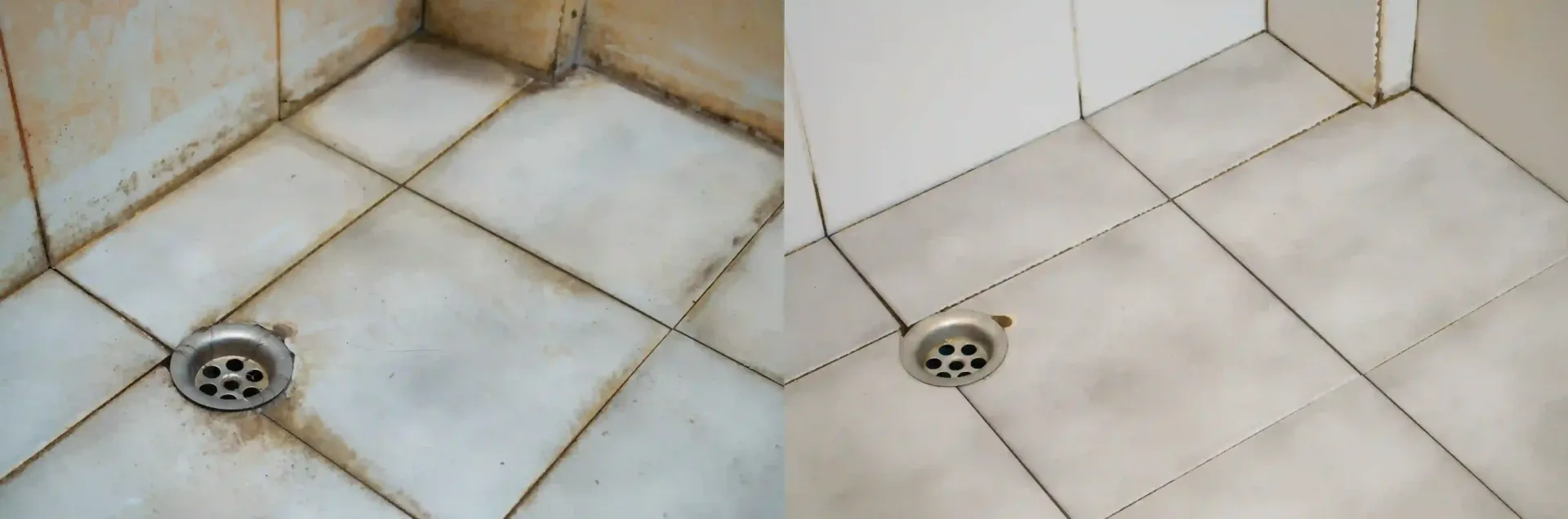
Where we offer Water damage restoration services
Don't see your town listed below? Call us anyway and we'll still come to you!
What Water Damage Restoration Actually Involves — Scope, Cost, and What to Expect
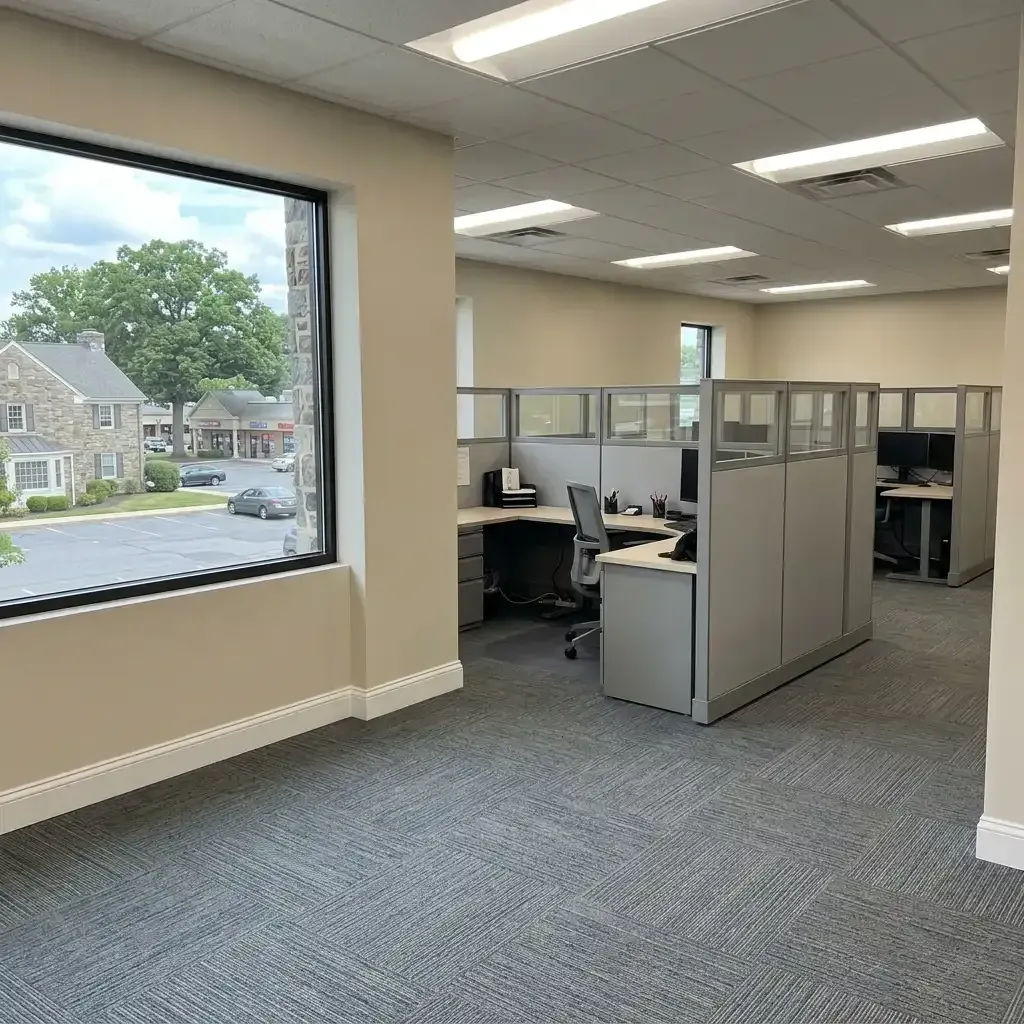
Water damage restoration has two distinct phases. The first is mitigation: emergency water extraction, structural drying, antimicrobial treatment, and containment to halt further damage. The second is restoration: returning the property to pre-loss condition through reconstruction. The two are sequential — reconstruction cannot begin until the structure is verified dry. What we usually find once we get in there is that water has traveled significantly farther than the visible damage suggests, saturating wall cavities, wicking up framing, and pooling in subfloor assemblies well beyond the wet surface that caught the owner's attention first. In commercial office buildings, a single pipe failure can affect multiple floors before anyone notices the ceiling stain above a workstation.
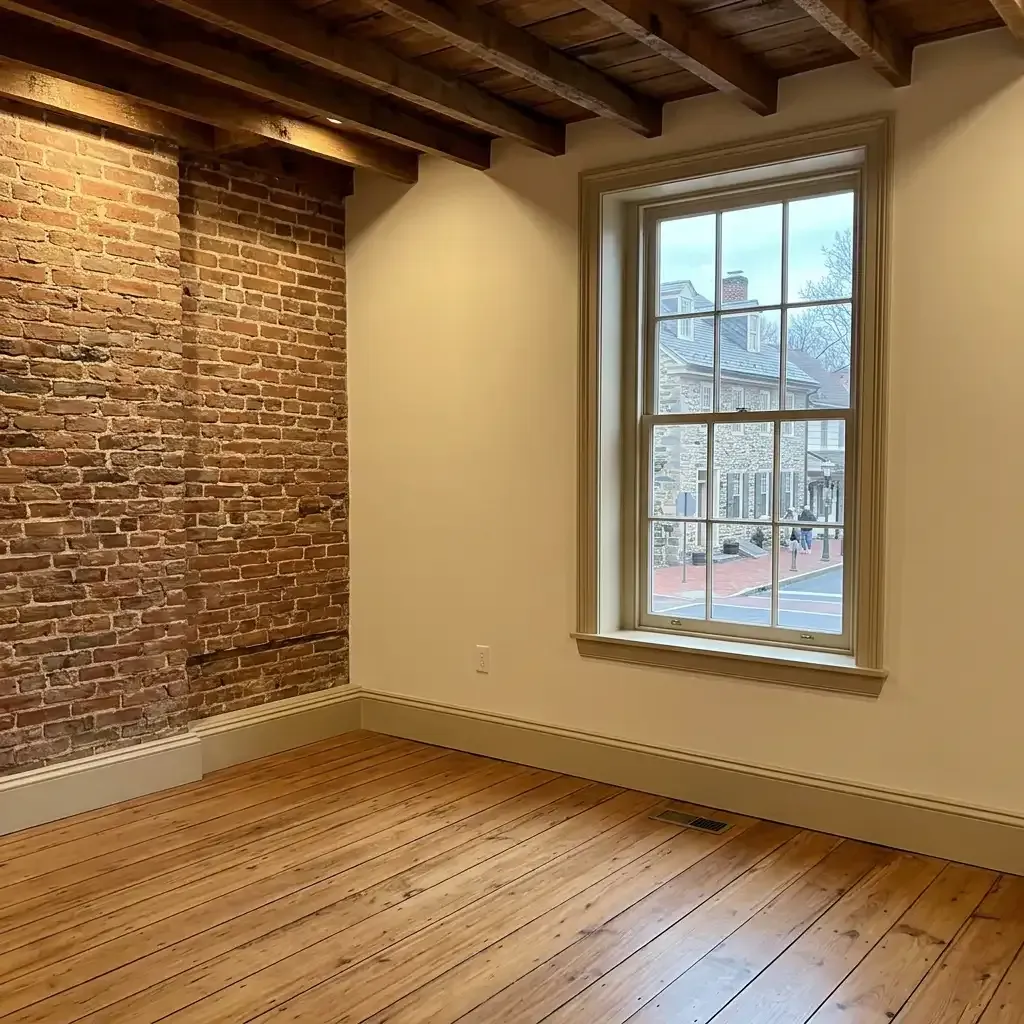
On cost, most water damage restoration projects land between $1,300 and $6,400. The most consequential driver is water category. Category 1 clean water — a broken supply line or appliance overflow — costs $3 to $4 per square foot to address. Category 3 black water from sewage backup runs $7 to $12 per square foot and requires full removal of every porous material that contacted the water. Most property owners expect the cost to be straightforward, but what actually drives the final number is water category, affected square footage, the materials involved, and how quickly the call came in. The drying phase runs three to five days. Total project time from emergency response through reconstruction handoff is one to two weeks for most events.
Water damage restoration follows a strict sequence. One call starts it.
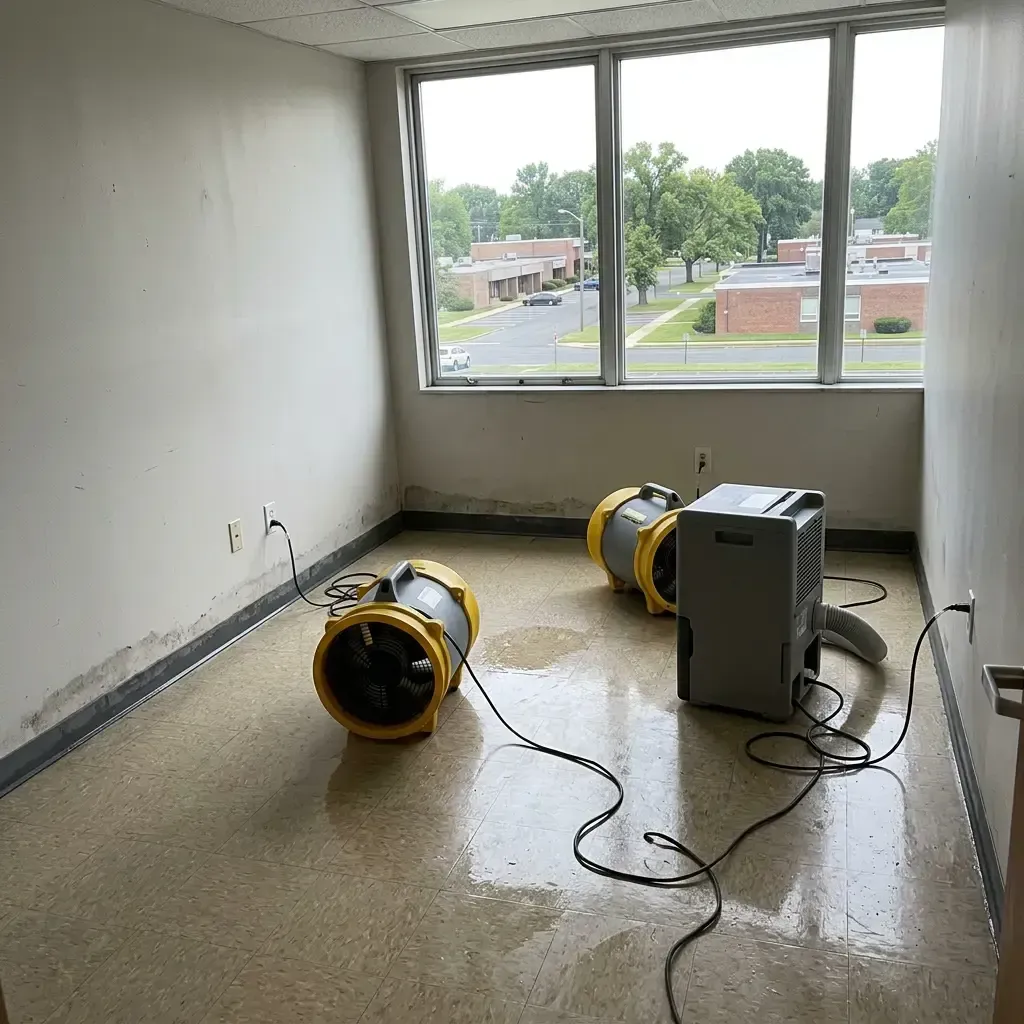
- Water Extraction -
Standing water is removed using truck-mounted and portable extraction units. Speed matters — every hour of standing water increases contamination risk and expands damage into materials that might otherwise be saved.
- Structural Drying - Air movers and LGR dehumidifiers run continuously under psychrometric monitoring. Moisture meter readings at every mapped point determine when the structure is genuinely dry — not just dry to the touch.
- Sewage Cleanup
-
Category 3 black water requires full containment, PPE protocols, and removal of all porous materials that contacted the water — including drywall, insulation, and flooring — before drying equipment is placed.
- Mold Remediation - Mold colonization begins within 24 to 48 hours of water exposure. In properties with finished basements or crawl spaces, hidden moisture creates conditions where growth takes hold fast. We follow IICRC S520 protocol: containment, removal, treatment, and clearance testing.
Call us at (844) 620-7505. Tell us what you're thinking about, and we'll tell you what it actually takes.
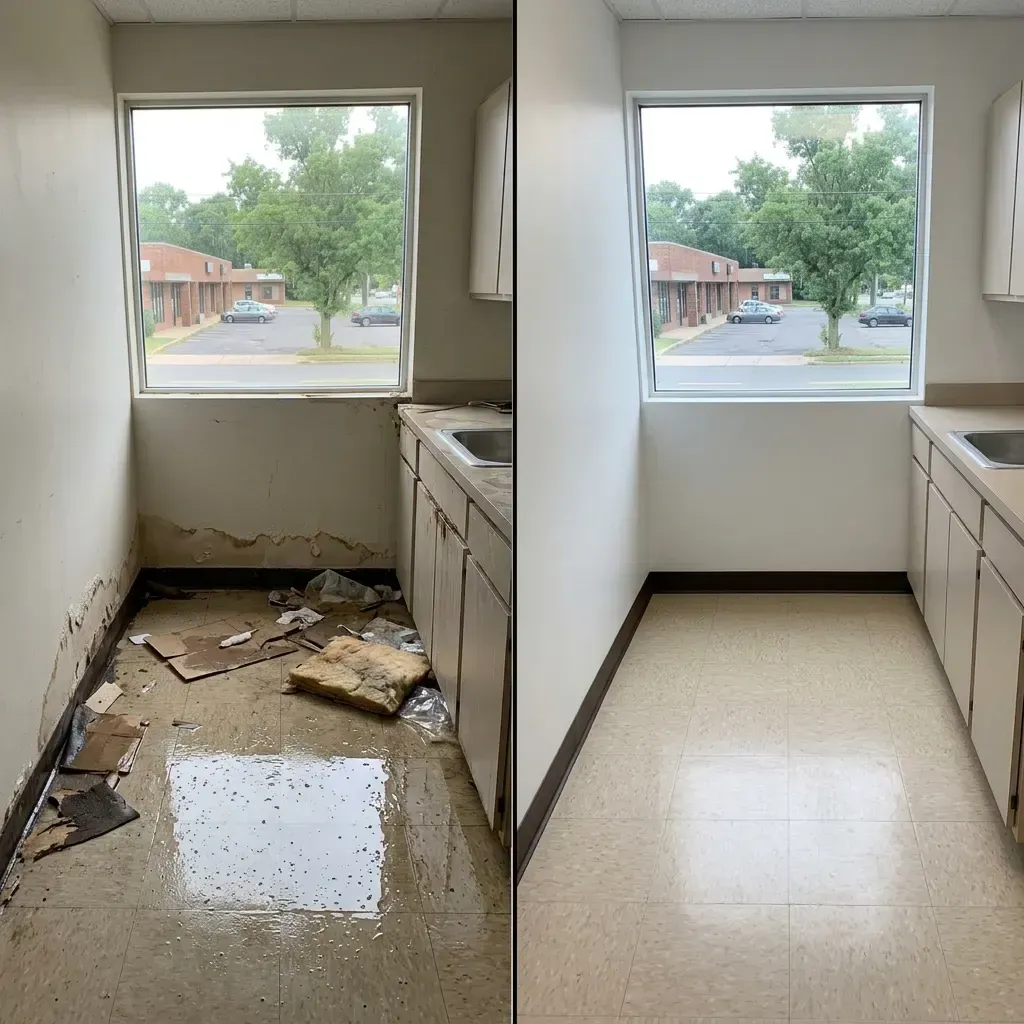
What Stands Behind Every Water Damage Project We Take On
Customer Satisfaction
We offer a 2-year warranty on all of our work, so you can have peace of mind knowing it'll be done right the first time.
Licensed and Insured
We carry full coverage and meet all licensing requirements, so owners and managers are protected throughout every project.
Transparent Cost Estimates
We explain what drives the cost before work begins — water category, square footage, materials affected, and equipment runtime.
Family-Owned, 31 Years
C&J Environmental is a family-owned business. We've operated for over three decades and built our reputation one project at a time.
Getting started takes three steps.
1
Step 1: Call and Schedule
We arrive fast, assess the damage, classify the water category, and map every wet area before any equipment is placed.
2
Step 2: Extraction and Drying
We remove standing water, set industrial drying equipment, and track moisture readings daily until the structure is dry.
3
Step 3: Verify and Handoff
Final readings confirm the structure is dry. Documentation is compiled for your insurer before reconstruction begins.
Frequently Asked Questions
What does water damage restoration include, and what's not covered?
Restoration covers extraction, structural drying, antimicrobial treatment, moisture verification, and documentation. Reconstruction of drywall, flooring, and trim is typically coordinated separately after the structure is cleared. Fixing the source — the pipe, the roof, the drain — falls to the appropriate trade contractor. Specialty contents work like electronics recovery or document drying is a separate service.What does this service typically cost?
Most projects land between $1,300 and $6,400. Category 3 sewage backup can reach $7 to $12 per square foot due to the contamination protocols required. The biggest variables are water category, affected square footage, materials damaged, and time elapsed before the call came in. We provide a written estimate before any work begins.How long does the process take?
The drying phase runs three to five days with industrial equipment operating continuously. Full restoration from first call through reconstruction handoff typically takes one to two weeks. The reason this takes longer than people expect is that structural materials dry from the outside in — only moisture meter readings confirm when drying is actually complete.Are permits or certifications required?
Water damage restoration itself does not require a building permit. Reconstruction work involving electrical or structural elements may require permits depending on scope and local code. We document all work to IICRC S500 standards, which satisfies insurance and property management requirements.Can we stay in the property during restoration?
In most cases, yes. When damage is contained to one area and the water source is clean, the rest of the property stays livable — though equipment runs continuously and generates significant noise. For older residential properties affected by Category 3 sewage events, temporary relocation is typically required until the area is cleared and tested. Many homeowners policies include additional living expense coverage for this.What does the warranty cover?
We back all of our work with a 2-year warranty. If an issue related to our restoration work surfaces within that period, we return and address it. The warranty covers our workmanship — the extraction, drying, and antimicrobial treatment we performed.